The Verdict
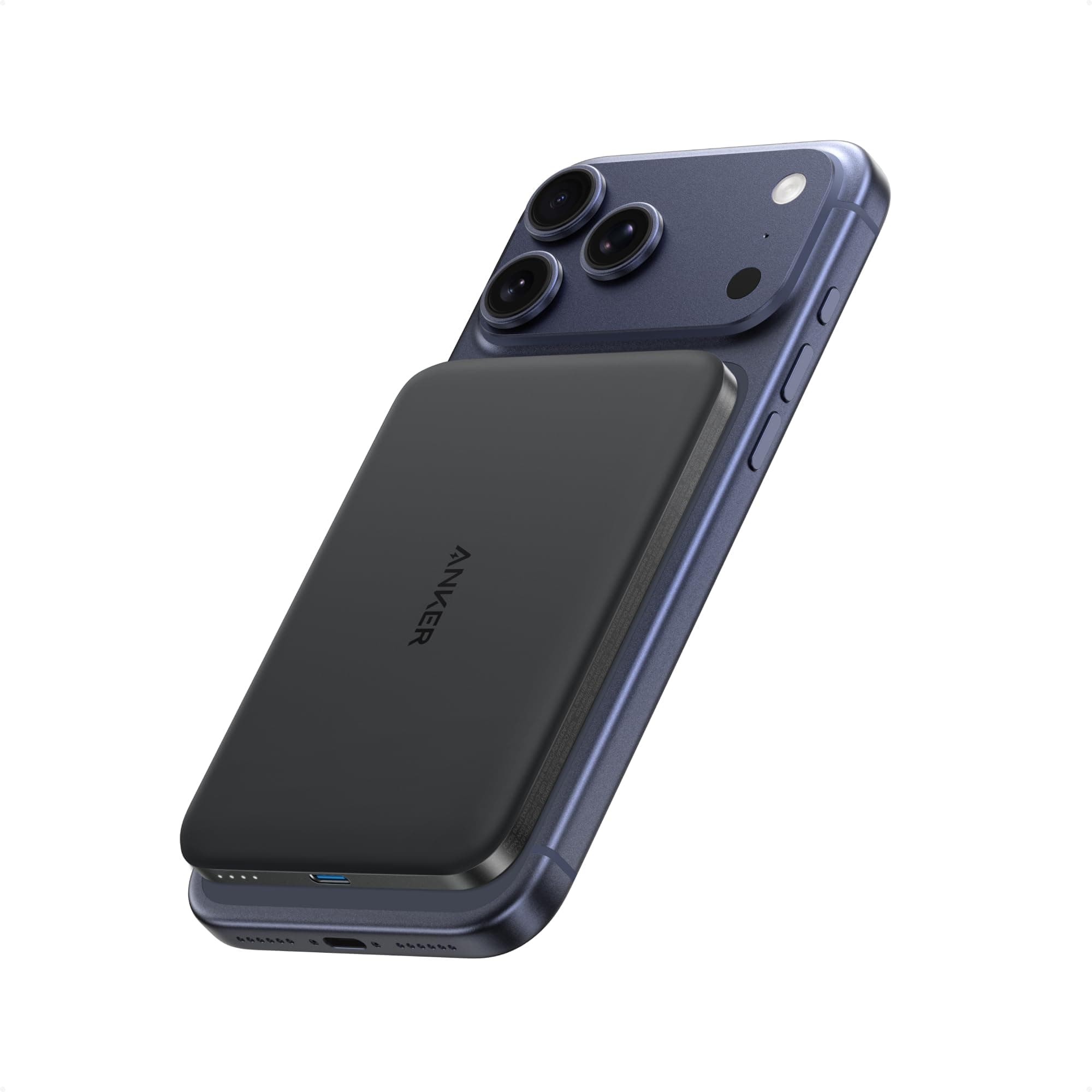
The Anker Nano MagSafe Portable Charger (5,000mAh, Qi2) is a premium accessory that largely lives up to its viral hype. It delivers on its core promises: an exceptionally slim design, a strong magnetic connection, and the full 15W charging speed of the new Qi2 standard. While it's not immune to the laws of thermodynamics—it does get warm and can throttle its speed to compensate—it manages heat better than many direct competitors. For iPhone users seeking the most convenient, pocketable, and fastest wireless top-up, this is a top-tier option that justifies its price with excellent build quality and reliable performance.
What Went Viral
With over 1.7 million views, the Anker Nano Power Bank flooded TikTok feeds by tapping directly into the 'everyday carry' (EDC) and tech aesthetic culture. Videos showcase its impossibly thin profile snapping satisfyingly onto the back of the latest iPhone. Creators frame it not just as a utility, but as a lifestyle accessory. The appeal is simple and powerful: freedom from cables. Captions like "My best tech purchase of 2026 so far" and "small but actually does the job" emphasize its seamless integration into a modern, mobile life. The hype isn't about raw power; it's about eliminating the friction of traditional charging bricks and tangled wires, making it a perfect visual for short-form video.
What the Comments Actually Say
Beyond the polished TikTok edits, real-world user feedback is overwhelmingly positive but technically nuanced. The high 4.4-star Amazon rating is backed by detailed reviews from tech enthusiasts across other platforms.
YouTube reviewers consistently praise its design, with one calling it "the thinnest 5,000mAh battery you'll ever snap on." They confirm it delivers 15W Qi2 speeds and maintains a comfortable temperature, getting warm but not alarmingly hot like some rivals. The premium, fingerprint-resistant matte finish is another frequently cited positive.
On Reddit, the discussion is more granular. In subreddits like r/MagSafe, users compare it directly to competitors from INIU and Baseus. While some alternatives may be cheaper or charge slightly faster in short bursts, the Anker is often praised for its superior heat management.
A key insight from a Reddit comparison in September 2025 noted that a competing INIU pack got hotter, reaching up to 110°F, suggesting the Anker's thermal design is more effective at maintaining comfortable temperatures during use.
However, users also acknowledge the limitations of the form factor. The 5,000mAh capacity is suitable for a single significant charge (around 60-85% for a Pro model iPhone), not multiple days away from an outlet. The most salient point raised by savvy users is the reality of thermal throttling.
Technical Comparison
Compared to a standard, non-MagSafe 5,000mAh power bank, the Anker Nano is in a different league. A conventional charger is typically a bulky plastic brick that requires you to supply your own cable. It's awkward to use your phone while it's tethered, and wireless charging, if included, is often limited to the slow 5W or 7.5W Qi standard.
The Anker Nano's advantages are threefold:
- Form Factor: At just 0.3 inches thick, it's designed to be used while attached to the phone, adding minimal bulk and allowing for comfortable handling.
- Convenience: The MagSafe-compatible magnetic system ensures perfect alignment for optimal charging efficiency every time, with no cables needed between the bank and the phone.
- Speed: Qi2 certification is the key differentiator. It delivers up to 15W of wireless power, matching Apple's official MagSafe speeds and doubling the 7.5W limit of the previous Qi standard for iPhones.
While a standard power bank might offer higher wired charging speeds via its USB-C port, it can't match the seamless, integrated experience of the Anker Nano for on-the-go wireless top-ups.
The Catch
The single biggest catch, which TikTok videos rarely mention, is thermal throttling. Packing 15W wireless charging coils into such a slim chassis generates significant heat. While Anker has implemented safety features and graphene cooling to manage this, the device will intelligently reduce its charging speed to prevent overheating. This means that while it can charge at 15W, it may not sustain that speed throughout a full charging cycle, especially in a warm environment or inside a pocket. For many users, the practical, sustained speed may end up being closer to 10W or even 7.5W, a critical detail lost in the hype of the "15W Max" marketing.