The Verdict
Nanoleaf Lines deliver a visually stunning, modular lighting experience that cheap LED strips simply can't replicate. The backlit glow, endless customization, and slick software features create a premium ambient effect that justifies its popularity in high-end gaming and home tech setups. However, the premium price tag is matched by a concerning pattern of hardware complaints, specifically regarding controller failures that can turn your expensive wall art into a dead-end investment. It's a product that excels in form and features, but its long-term function is a gamble.
For those prioritizing a unique, high-design aesthetic above all else, the Lines are a compelling choice. But for users who demand set-it-and-forget-it reliability, the documented hardware issues are a significant red flag.
What Went Viral
With over 1.3 million views on TikTok, Nanoleaf Lines have become a staple of the #gamingsetup and #techtok aesthetic. Videos showcase mesmerizing, fluid color animations synced to music or on-screen action, with creators building intricate geometric patterns across their walls. The appeal is clear: Lines aren't just lights; they're dynamic, interactive wall decor. The modularity allows for personal expression, turning a standard room into a futuristic, personalized space, a transformation that is highly shareable and visually arresting on video-first platforms.
What the Comments Actually Say
Beneath the glossy, often sponsored, TikToks, a more complicated picture emerges from user feedback across the web.
An Amazon reviewer giving a 5-star rating praised them as the "OG of the lights game," noting the app is "intuitive and functional" and installation is easier than previous Nanoleaf products. However, the top critical review tells a different story, stating, "the controller keeps going out on each of my sets... Now I am forced to buy an entirely new set because I have a lot of these stupid lights."
This hardware concern is amplified on Reddit. While some users in the r/Nanoleaf subreddit call the Lines the "most stable product" they've owned from the brand, others report significant issues. Multiple threads detail controllers failing, modules flickering, and connectivity problems. One frustrated user summed up their experience with the brand's ecosystem as "endless headaches, countless issues, terrible customer support, errors/unresponsiveness, buckets of hardware/software bugs and glitches."
YouTube reviews are generally more positive, focusing on the impressive out-of-the-box experience. A recent review from "Online Jagat" praised the easy setup, vibrant colors, and deep customization, calling them a "powerful and stunning choice" for immersive lighting. Older reviews echo this but often mention the high price and the potential for the strong adhesive to damage walls.
Technical Comparison
Comparing Nanoleaf Lines to a standard RGB LED strip highlights the price justification. A basic LED strip provides linear, direct light. You stick it to a surface, and it glows forward. The experience is often limited by a simple remote or a basic app.
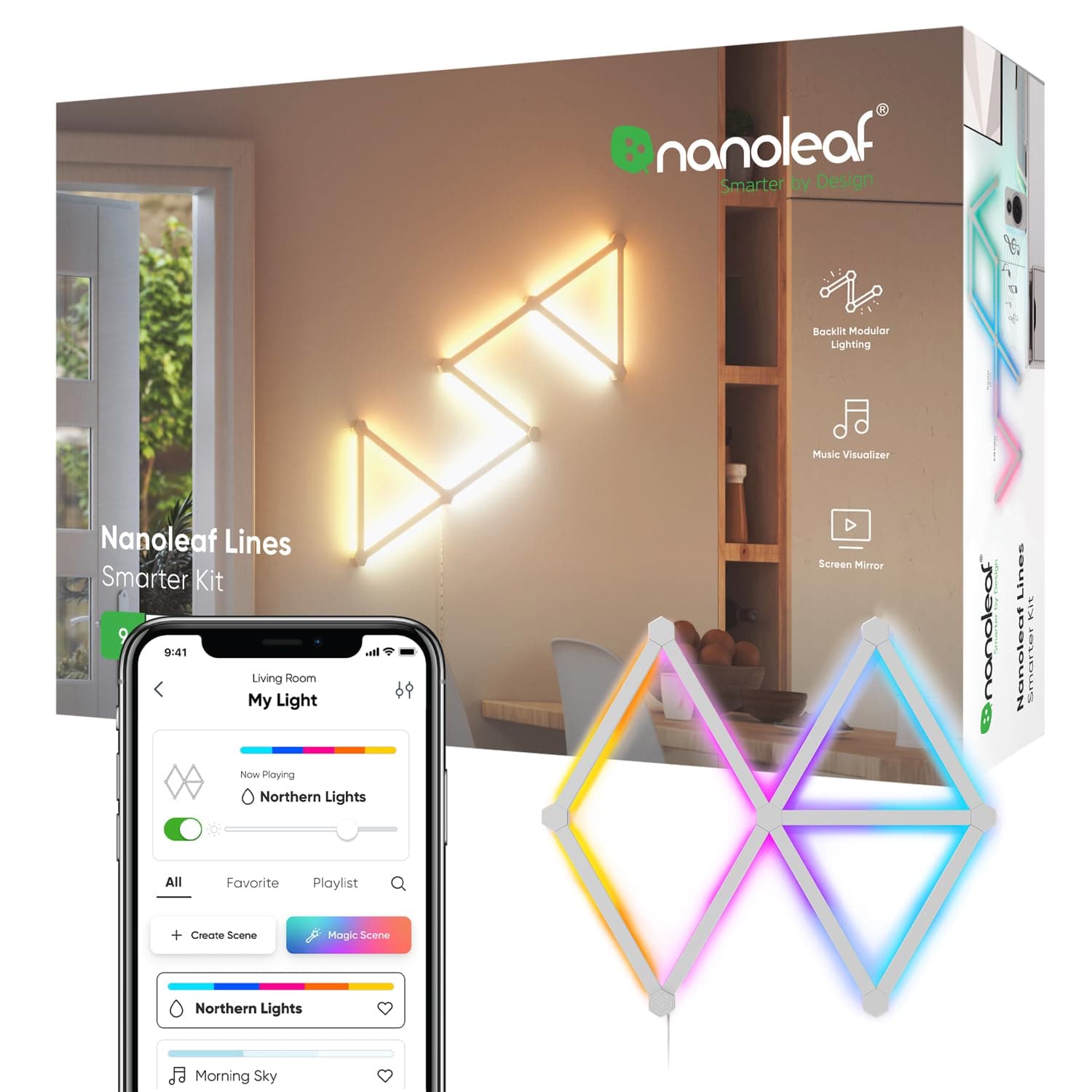
Nanoleaf Lines operate on a different level. Their primary innovation is their modular, connector-based system and their signature backlit illumination. The light shines onto the wall, creating a softer, more ambient and diffused glow that feels more integrated into the room's design.
Technically, they also offer superior software and connectivity. With support for Thread, HomeKit, Google Assistant, and Alexa, they integrate deeply into smart homes. The Nanoleaf app allows for complex, multi-zone color animations, screen mirroring for immersive gaming/movies, and a music visualizer—features far beyond the scope of typical budget LED strips.
The Catch
The ecosystem is a double-edged sword. While the software and design are top-tier, you are entirely locked into Nanoleaf's proprietary hardware. When a critical component like the controller fails—a complaint that appears with notable frequency in user reviews—you can't just swap in a generic part. You're reliant on Nanoleaf for a replacement, which costs $50 and is reportedly often out of stock, forcing some users to buy an entirely new starter kit just to get their existing setup working again.